Promote Food Security & Income
Sustainable Households & Enterprises
Conservation is strongest when communities have secure livelihoods. This programme supports women, youth and vulnerable households to strengthen incomes, improve food security and build resilience while reducing pressure on marine resources.
Economic Pillar
Strategic Plan 2020-25 | Pillar of Development
Economic Sustainability & Diversified Income
Supporting sustainability of income streams in the fishery and related value chains, safeguarding traditional livelihoods while offering diversified income generating activities (DIGs) and recognizing that for every 1 fisher, 20 other livelihoods benefit in the value chain.
Diversified Income (DIGs)
735+ women in Trash4Cash, permaculture, LIFT Network - economic options beyond fishing.
Value Chain Support
For every 1 fisher, 20 livelihoods benefit - supporting the entire coastal economy.
Safeguard Livelihoods
600+ households with climate-smart food security, protecting traditional ways of life.
What We Do
Trash4Cash Recycling
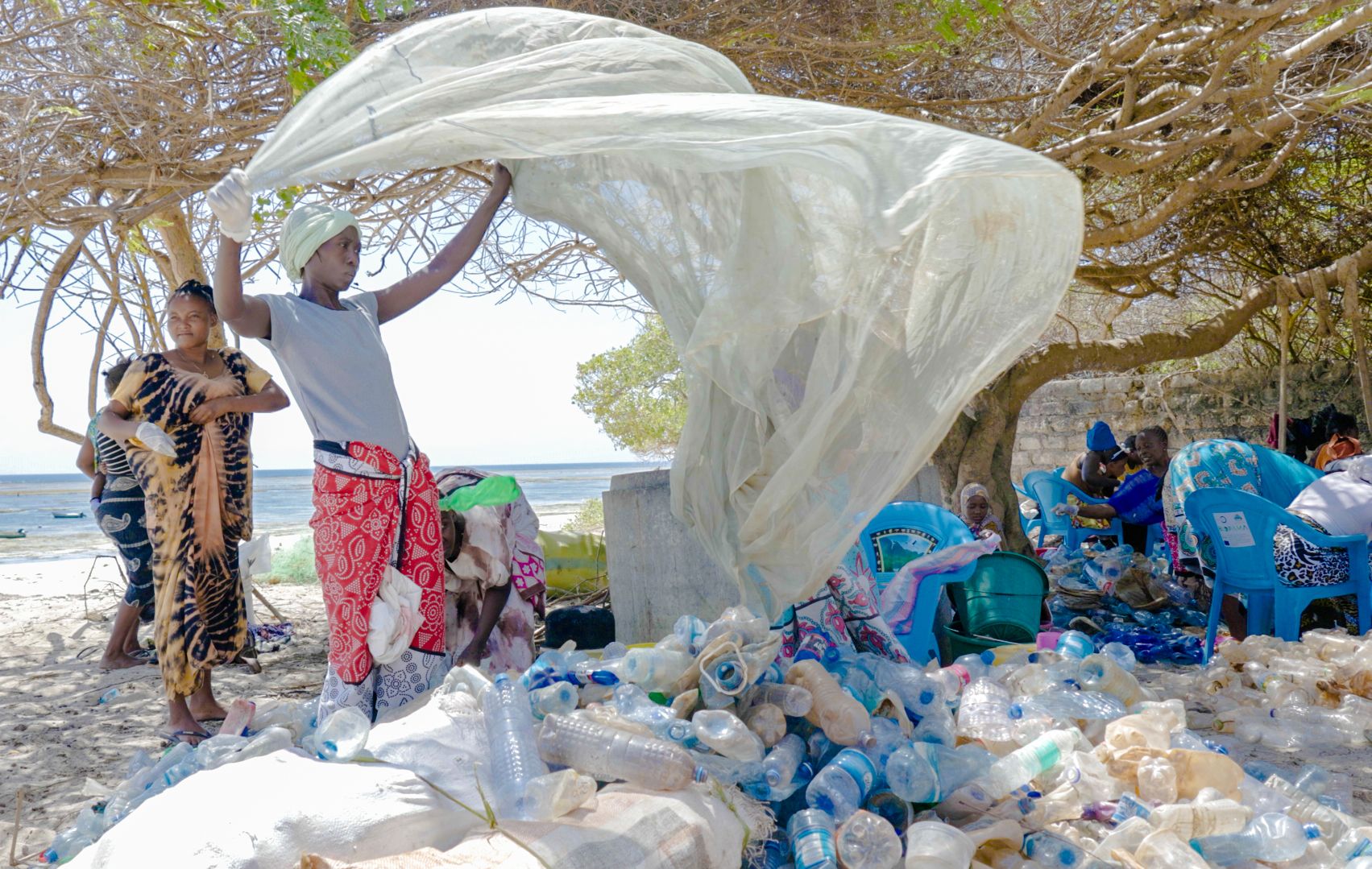
120+ women collect, sort and sell plastic waste - turning 2+ tonnes of ocean pollution into monthly household income.
Climate-Smart Food Systems
600+ households with backyard permaculture gardens reducing fishing pressure while improving nutrition and income.
Women's Leadership (LIFT Network)
735+ women engaged in savings groups, BMU governance, and conservation leadership across Kilifi County.
When Families Eat from Their Gardens, Oceans Breathe Easier
Conservation is strongest when communities have secure livelihoods and economic independence. This isn't feel-good rhetoric - it's the foundational principle behind the Social, Health & Environment programme. When coastal women have diversified income options, when households grow their own food, when plastic waste becomes a paycheck instead of ocean pollution - that's when conservation moves from a moral argument to a livelihood strategy.
For every 1 fisher on the water, 20 livelihoods benefit in the value chain. That's 20 families whose futures depend on a healthy ocean - not because they're convinced by campaigns, but because their income depends on it. This programme recognizes that economic sustainability and environmental sustainability aren't separate goals. They're the same fight.
This isn't aid - it's agency. And when women lead economic empowerment, entire communities shift toward conservation as a livelihood strategy, not a sacrifice.
Mama Karanga – Trash4Cash
Turning Ocean Pollution into Household Income
Eight million tonnes of plastic enter the world's oceans every year. On the Kilifi coast, the women of the Trash4Cash programme are fighting back - and getting paid for it. More than 120 women across four communities now collect, sort, and sell plastic waste to certified recyclers, collecting over two tonnes of plastic waste every month.
What would otherwise end up choking sea turtles and suffocating coral becomes household income. Trash4Cash is part of the LIFT Network - Oceans Alive's broader women's economic empowerment platform. By placing income generation and environmental protection in the same hands, we make conservation something women do for their own futures, not something done to their environment.
Kitchen Gardens & Food Security
When coastal fishing families have backyard permaculture gardens growing leafy vegetables and resilient indigenous crops, they eat better - and fish less. This isn't just about nutrition. It's about reducing pressure on overexploited fish stocks by giving families an alternative source of food and income.
The programme is intentionally integrated with LIFT Network, Trash4Cash, and coral restoration - because a community that has food security is a community that can afford to let the reef recover.
Women's Leadership in Conservation
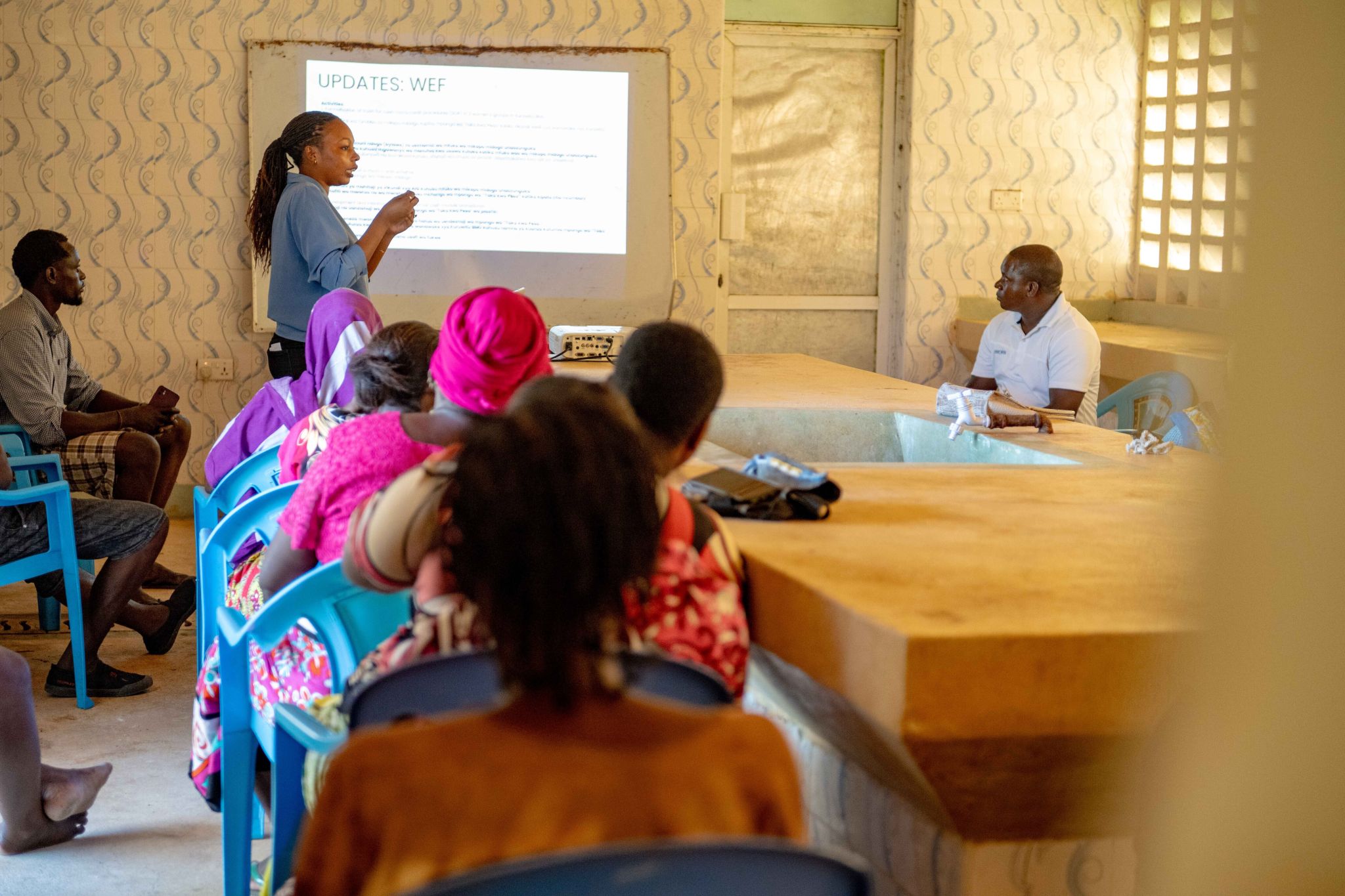
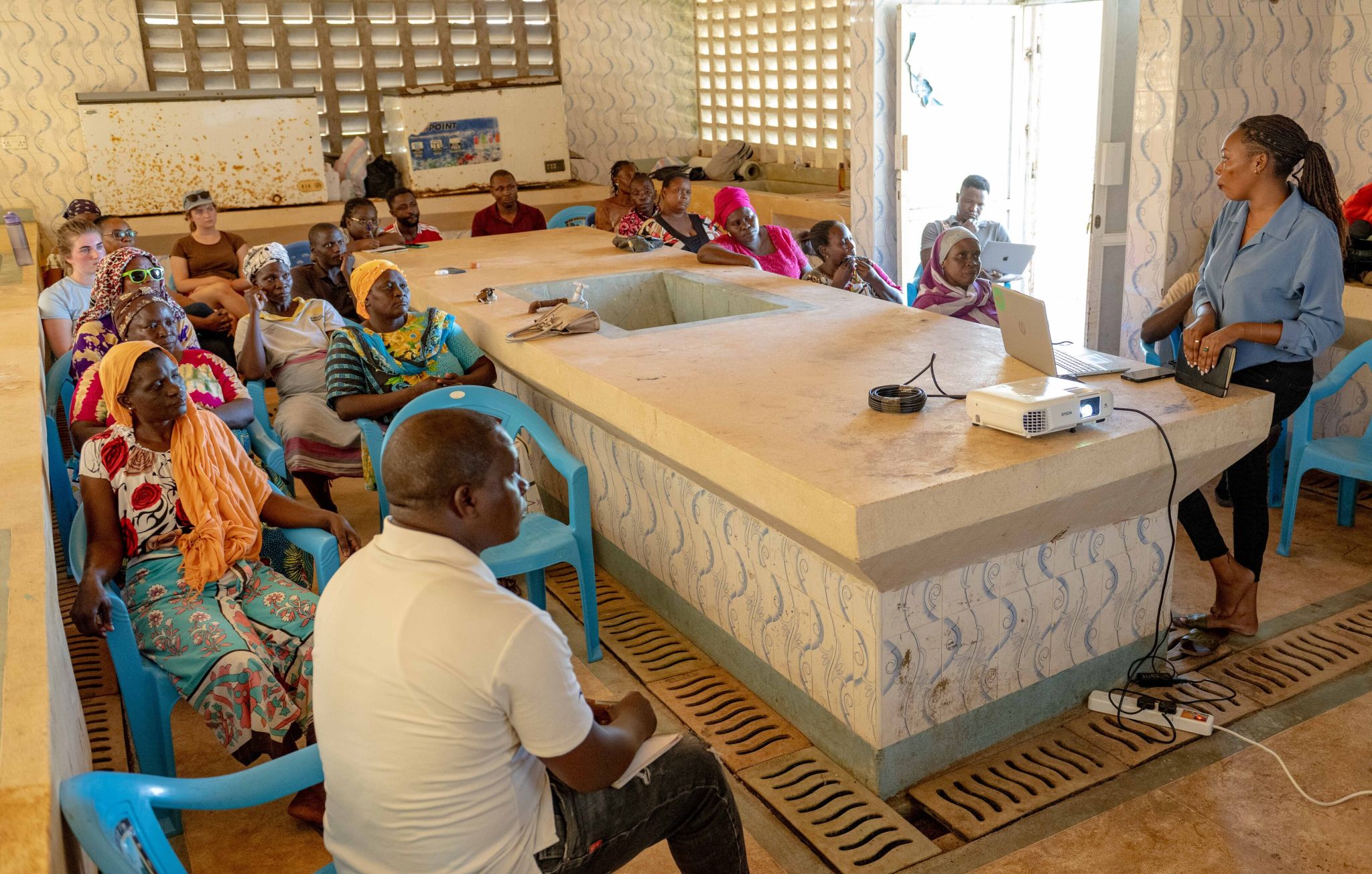
Coastal women are disproportionately affected by declining fish stocks and ocean degradation - and disproportionately excluded from the governance decisions that shape their futures. The LIFT Network (Livelihoods, Independence, Finance, Transformation) changes that.
Women now participate in BMU meetings, co-management planning sessions, and conservation monitoring. They're not beneficiaries of conservation - they're its architects. Through savings groups, entrepreneurship training, and leadership development, women are reshaping what coastal conservation looks like.
Building Financial Resilience
Training in budgeting, business management and financial planning.
Women & Ocean
Women Leading Conservation
120+ women collect over 2 tonnes of plastic monthly, turning waste into income while protecting Kenya's coast.
Support Women's Programmes →